Olive oil
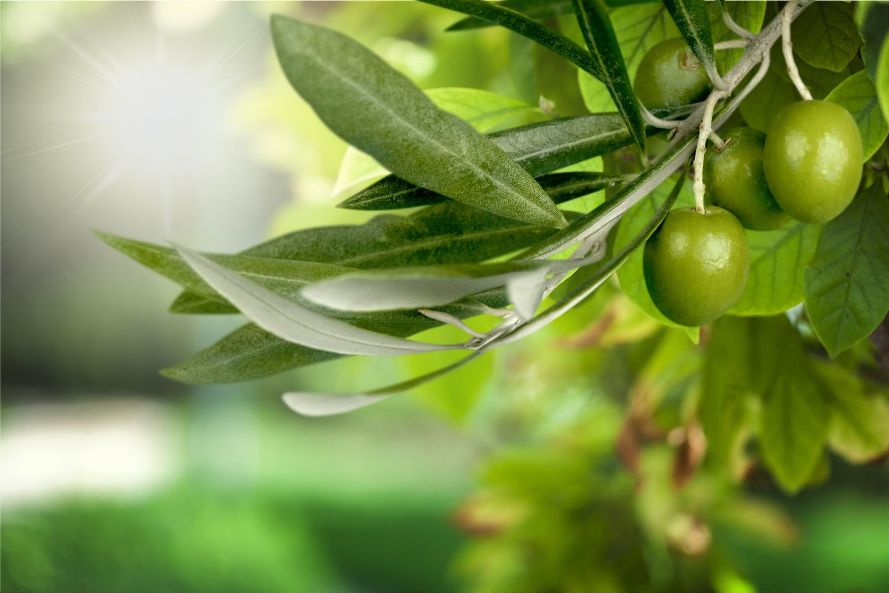
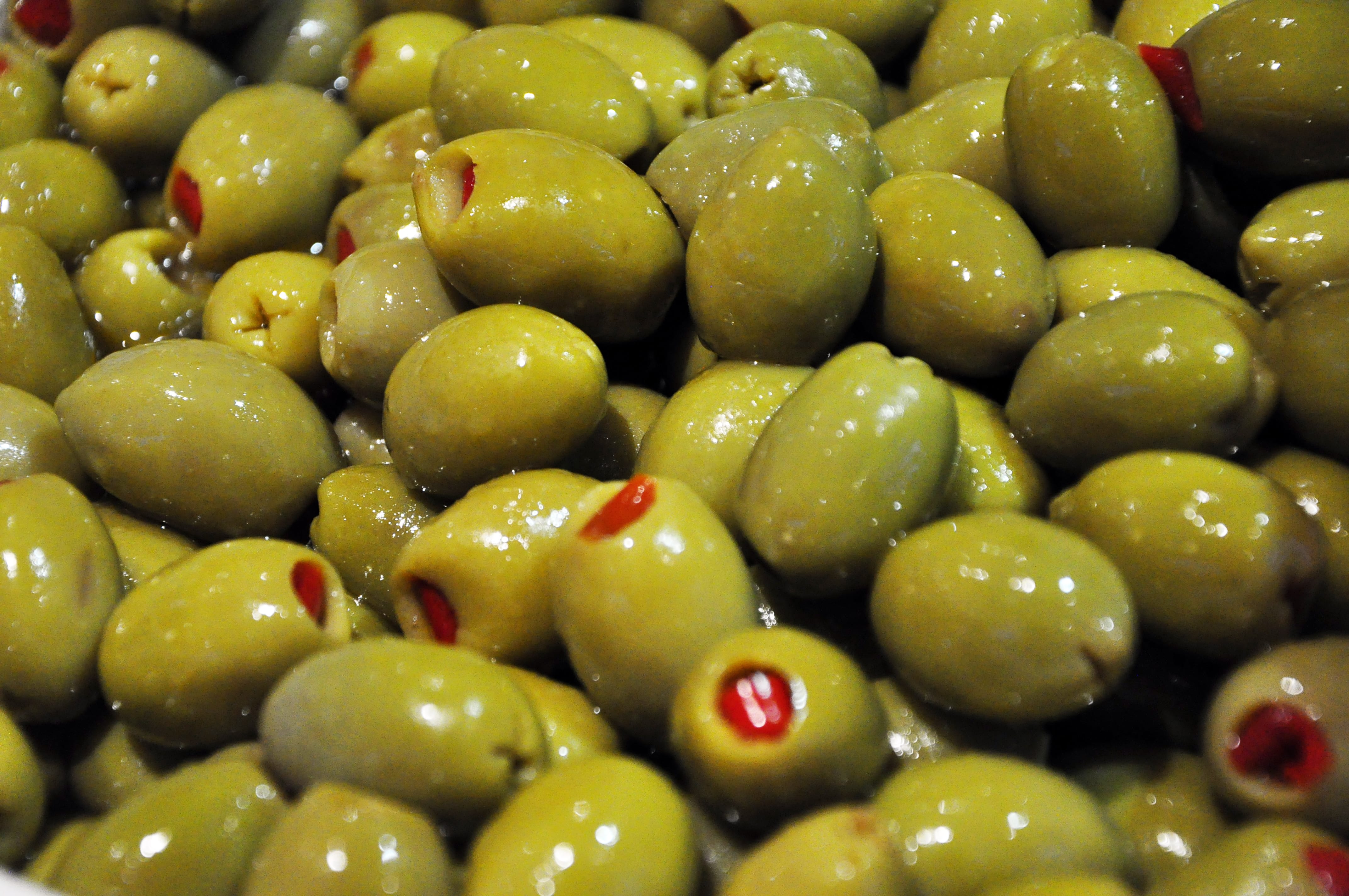
Olive oil is a liquid obtained from olives (the fruit of Olea europaea; family Oleaceae), a traditional tree crop of the Mediterranean Basin. The oil is produced by pressing whole olives. It is commonly used in cooking, whether for frying or as a salad dressing. It is also used in cosmetics, pharmaceuticals, and soaps, and as a fuel for traditional oil lamps, and has additional uses in some religions. There is limited evidence of its possible health benefits. The olive is one of three core food plants in Mediterranean cuisine; the other two are wheat and grapes.
Olive trees have been grown around the Mediterranean since the 8th millennium BC. Spain is the largest producer of olive oil, followed by Italy and Greece. However, per capita national consumption is highest in Greece, followed by Spain, Italy, and Tunisia. Consumption in South Asia, North America and northern Europe is far less, but rising steadily
The composition of olive oil varies with the cultivar, altitude, time of harvest and extraction process. It consists mainly of oleic acid (up to 83%), with smaller amounts of other fatty acids including linoleic acid (up to 21%) and palmitic acid (up to 20%). Extra virgin olive oil is required to have no more than 0.8% free acidity and is considered to have favorable flavor characteristics
History
Early cultivation
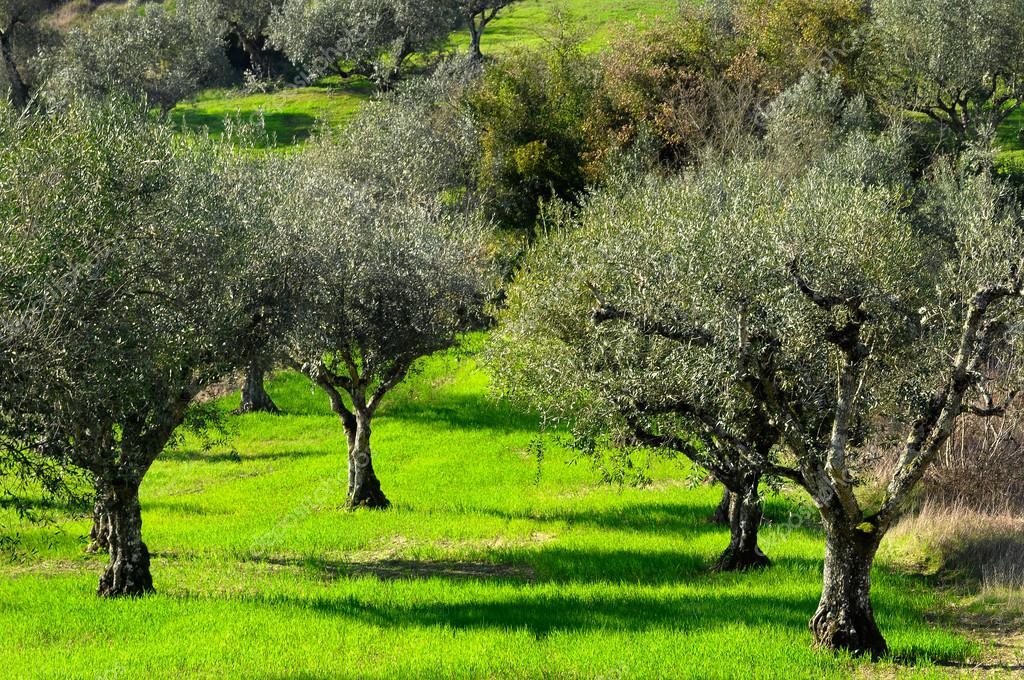
The olive tree is native to the Mediterranean basin; wild olives were collected by Neolithic peoples as early as the 8th millennium BC. The wild olive tree originated in Asia Minor or in ancient Greece. It is not clear when and where olive trees were first domesticated: in Asia Minor, in the Levant, or somewhere in the Mesopotamian part of the Fertile Crescent.
Archaeological evidence shows that olives were turned into olive oil by 6000 BC and 4500 BC at a now-submerged prehistoric settlement south of Haifa. Until 1500 BC, eastern coastal areas of the Mediterranean were most heavily cultivated. Evidence also suggests that olives were being grown in Crete as long ago as 2500 BC. The earliest surviving olive oil amphorae date to 3500 BC (Early Minoan times), though the production of olive oil is assumed to have started before 4000 BC. Olive trees were certainly cultivated by the Late Minoan period (1500 BC) in Crete, and perhaps as early as the Early Minoan. The cultivation of olive trees in Crete became particularly intense in the post-palatial period and played an important role in the island's economy, as it did across the Mediterranean.
Recent genetic studies suggest that species used by modern cultivators descend from multiple wild populations, but a detailed history of domestication is not yet forthcoming
History and trade
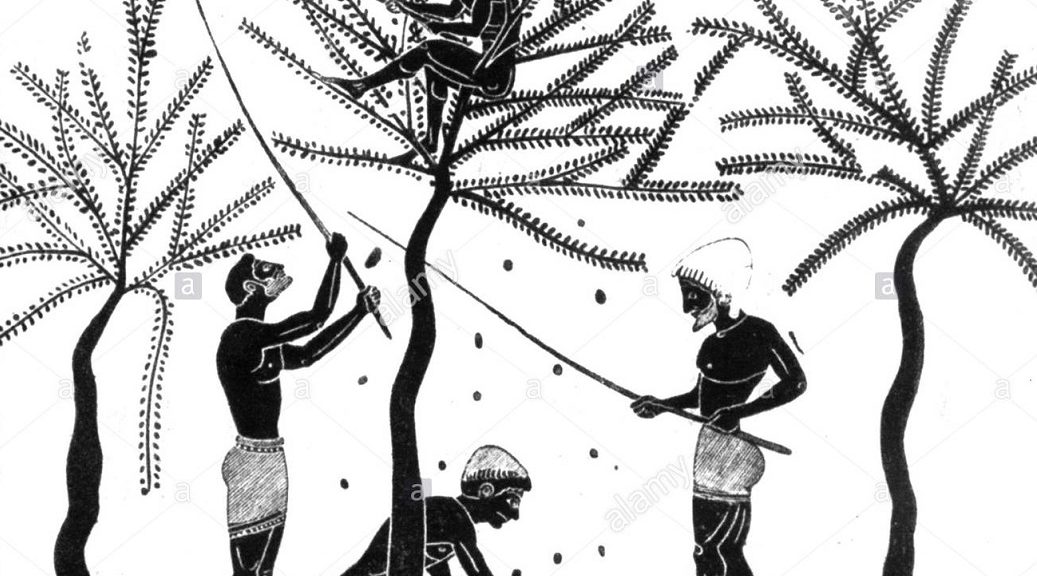
Olive trees and oil production in the Eastern Mediterranean can be traced to archives of the ancient city-state Ebla (2600–2240 BC), which were located on the outskirts of the Syrian city Aleppo. Here some dozen documents dated 2400 BC describe lands of the king and the queen. These belonged to a library of clay tablets perfectly preserved by having been baked in the fire that destroyed the palace. A later source is the frequent mentions of oil in the Tanakh.[10] Dynastic Egyptians before 2000 BC imported olive oil from Crete, Syria and Canaan and oil was an important item of commerce and wealth. Remains of olive oil have been found in jugs over 4,000 years old in a tomb on the island of Naxos in the Aegean Sea. Sinuhe, the Egyptian exile who lived in northern Canaan about 1960 BC, wrote of abundant olive trees
Besides food, olive oil has been used for religious rituals, medicines, as a fuel in oil lamps, soap-making, and skin care application. The Minoans used olive oil in religious ceremonies. The oil became a principal product of the Minoan civilization, where it is thought to have represented wealth. Olive oil, a multi-purpose product of Mycenaean Greece (c. 1600–1100 BC) at that time, was a chief export.[12] Olive tree growing reached Iberia and Etruscan cities well before the 8th century BC through trade with the Phoenicians and Carthage, then was spread into Southern Gaul by the Celtic tribes during the 7th century BC. Over 100 olive presses have been found in Tel Miqne (Ekron), one of the five main cities of the Biblical Philistines. These presses are estimated to have had output of between 1,000 and 3,000 tons of olive oil per season
Many ancient presses still exist in the Eastern Mediterranean region, and some dating to the Roman period are still in use today
Olive oil was common in ancient Greek and Roman cuisine. According to Herodotus, Apollodorus, Plutarch, Pausanias, Ovid and other sources, the city of Athens obtained its name because Athenians considered olive oil essential, preferring the offering of the goddess Athena (an olive tree) over the offering of Poseidon (a spring of salt water gushing out of a cliff). The Spartans and other Greeks used oil to rub themselves while exercising in the gymnasia. From its beginnings early in the 7th century BC, the cosmetic use of olive oil quickly spread to all of the Hellenic city states, together with athletes training in the nude, and lasted close to a thousand years despite its great expense.[14][15] Olive oil was also popular as a form of birth control; Aristotle in his History of Animals recommends applying a mixture of olive oil combined with either oil of cedar, ointment of lead, or ointment of frankincense to the cervix to prevent pregnancy.[16] Olive trees were planted throughout the entire Mediterranean basin during evolution of the Roman Republic and Empire. According to the historian Pliny the Elder, Italy had "excellent olive oil at reasonable prices" by the 1st century AD—"the best in the Mediterranean", he maintained.
The importance and antiquity of olive oil can be seen in the fact that the English word oil derives from c. 1175, olive oil, from Anglo-Fr. and O.N.Fr. olie, from O.Fr. oile (12c., Mod.Fr. huile), from L. oleum "oil, olive oil" (cf. It. olio), from Gk. elaion "olive tree",[17][18] which may have been borrowed through trade networks from the Semitic Phoenician use of el'yon meaning "superior", probably in recognized comparison to other vegetable or animal fats available at the time.[citation needed] Robin Lane Fox suggests[19] that the Latin borrowing of Greek elaion for oil (Latin oleum) is itself a marker for improved Greek varieties of oil-producing olive, already present in Italy as Latin was forming, brought by Euboean traders, whose presence in Latium is signaled by remains of their characteristic pottery, from the mid-8th century.
Varieties
There are many olive cultivars, each with a particular flavor, texture, and shelf life that make them more or less suitable for different applications, such as direct human consumption on bread or in salads, indirect consumption in domestic cooking or catering, or industrial uses such as animal feed or engineering applications.[20] During the stages of maturity, olive fruit changes color from green to violet, and then black. Olive oil taste characteristics depend on which stage of ripeness olive fruits are collected
From Wikipedia
We have been producing natural olive oil since 1956. You can contact us:
sales@sunnyoilforfb.com